Name: Phoenix
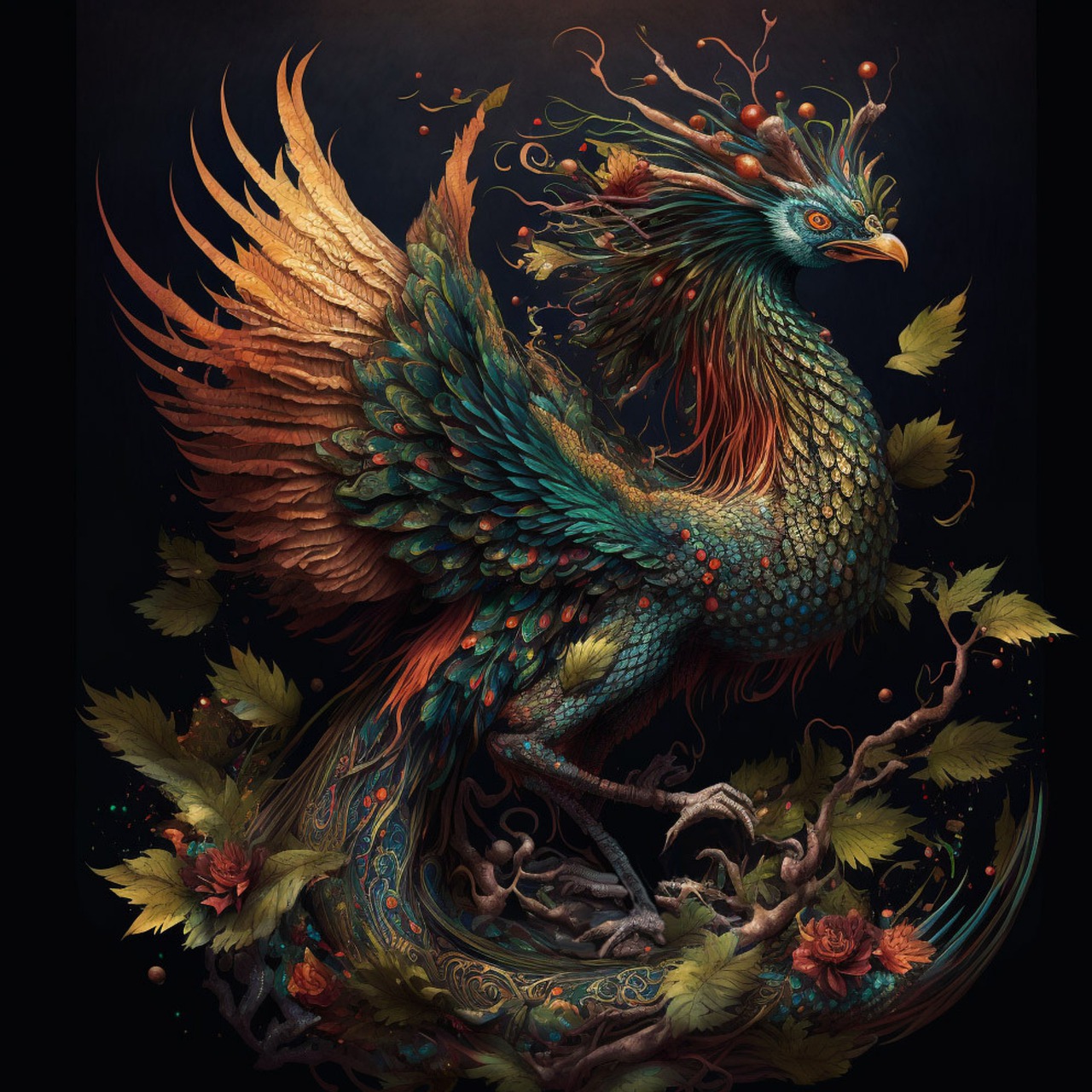
Appearance: There are different ideas of how

the mythological phoenix should appear. This could partly be due to
the different cultures with ideas of phoenixes, including Greek,
Egyptians, and Persians. In modern concepts, phoenixes tend to be a
variety of golds, oranges, and reds with flames around it. This likely
stems from the fire and sun motifs the bird is associated with.
Another idea of its appearance is with blues and purples as well as
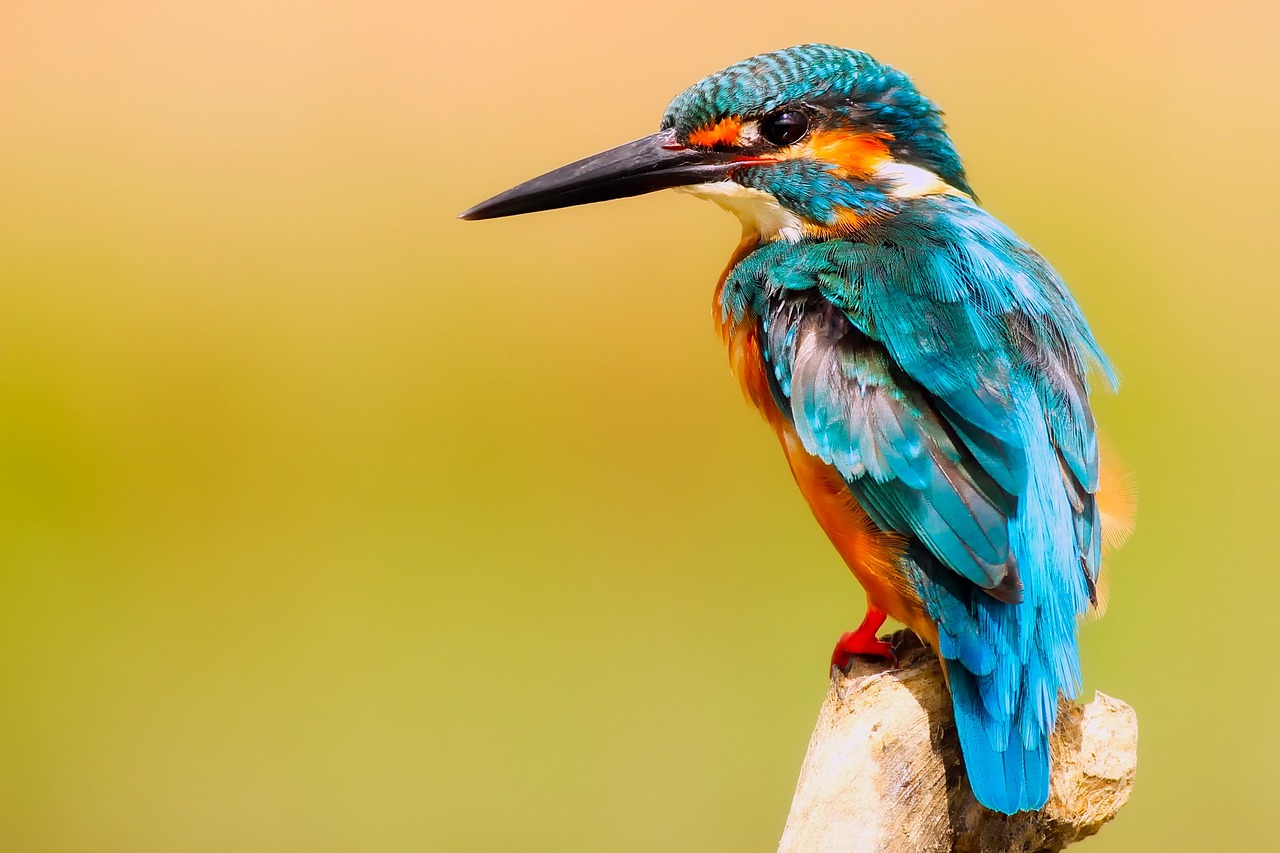
golds. Some depictions show it like a heron, some assume it is a
kingfisher in other descriptions.
History: As mentioned earlier, Phoenix myths have
occured in Greek, Egyptian, and Persian myths. Some believe the myths
are even older than that, the Egyptian myths for instance, believed to
be influenced by old folklore.
Info: The phoenix’s main motif is renewal or rebirth,
and it is often associated with the sun.
Once it dies, it rises from the ashes and is reborn. There are
different concepts of how this happens, and some myths say only one
bird is alive at a time, and is reborn every 500 years or more. In
some myths, the phoenix in old age makes a nest, sets it on fire then
is reborn. They then take the ashes of the old bird and fly it to the
city of the Sun in Egypt (Heliopolis) to deposit it on an altar.
Additional Notes: Is it a crane? A Heron? A
kingfisher? It has even been compared to a rooster. Personally, I like
the concept of the kingfisher. They are cute and fit some of the
descriptions fairly well.
Credit and Additional Reading: If
you found the above interesting and want to read more, check out where
I got some of my material:
https://en.wikipedia.org/wiki/Phoenix_(mythology)
https://www.britannica.com/topic/phoenix-mythological-bird
Keep an eye out for the upcoming short story based on the Phoenix
concept, “Little Phoenix!”
Part 1 (available 6/20/24):
Little Phoenix (1)
Part 2 (available 7/18/24):
Little Phoenix (2)
Part 3 (available 8/15/24):
Little Phoenix (3)
Happy Adventuring,
G.G. Marshall